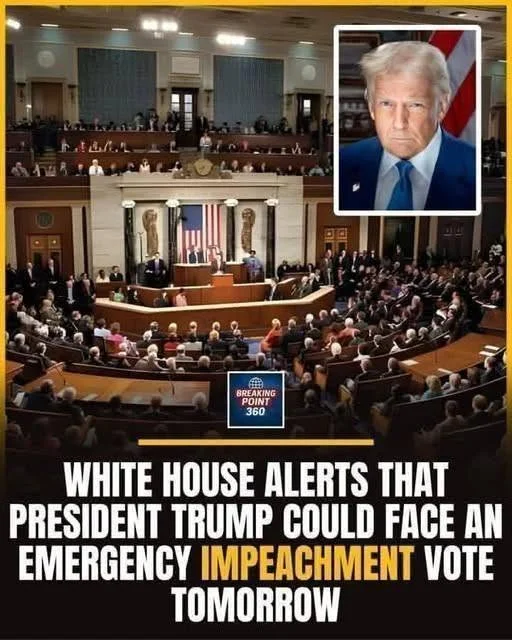
Washington’s political tensions are rising as concerns about presidential power, election oversight, and congressional accountability intensify ahead of the November 2026 midterm elections.
A dramatic claim that 24 members of Congress have declared an “emergency” is attracting attention, but the specific claim has not been independently verified.
Why Washington Is Facing Growing Political Tensions
The debate over President Donald Trump’s authority has become an increasingly prominent issue in the run-up to the midterms.
Democrats and voting-rights advocates have expressed concern about Trump’s comments suggesting that a national emergency declaration could be considered in connection with his demands for election legislation.
According to Roll Call reporting published September 2, 2026, some congressional Democrats and voting-rights groups are taking those comments seriously and preparing for possible legal challenges.
The discussion centers on the potential implications for election administration and the limits of presidential authority.
What Are Lawmakers Concerned About?
At the heart of the controversy is the balance of power between the White House and Congress.
Critics argue that any attempt to use emergency powers to influence election procedures would require careful legal scrutiny.
Supporters of stricter election rules, meanwhile, argue that election security and voter eligibility deserve greater federal attention.
The disagreement reflects a broader constitutional question: how far can a president go when pursuing a policy objective that opponents believe could affect the electoral process?
These questions cannot be settled by political declarations alone. The relevant legal authority, the specific action proposed, and any court rulings would determine the consequences.
Could the Controversy Affect the Midterm Elections?
The November elections could reshape congressional oversight of the Trump administration.
If Democrats gain control of either chamber, they could seek additional hearings, investigations, and legal scrutiny of executive actions.
However, political opposition does not automatically establish that a presidential action is unlawful.
Any challenge would depend on the specific facts, applicable law, and decisions by the courts or Congress.
What Happens Next?
For now, the reported concerns highlight the importance of distinguishing political warnings from formal government action.
A declaration by lawmakers that a situation constitutes an emergency would not, by itself, establish a national emergency under federal law.
The claim that exactly 24 members of Congress have issued such a declaration needs confirmation from an official statement, a congressional document, or reliable reporting.