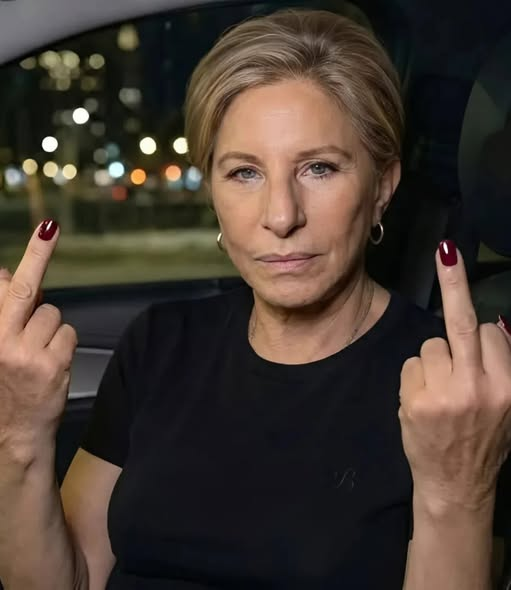
Furious Viral Rant Against Trump Supporters Explodes Online,
Accusing Voters of Ignoring Warnings as America’s Political Divide Deepens and Global Reputation Sparks Heated Debate
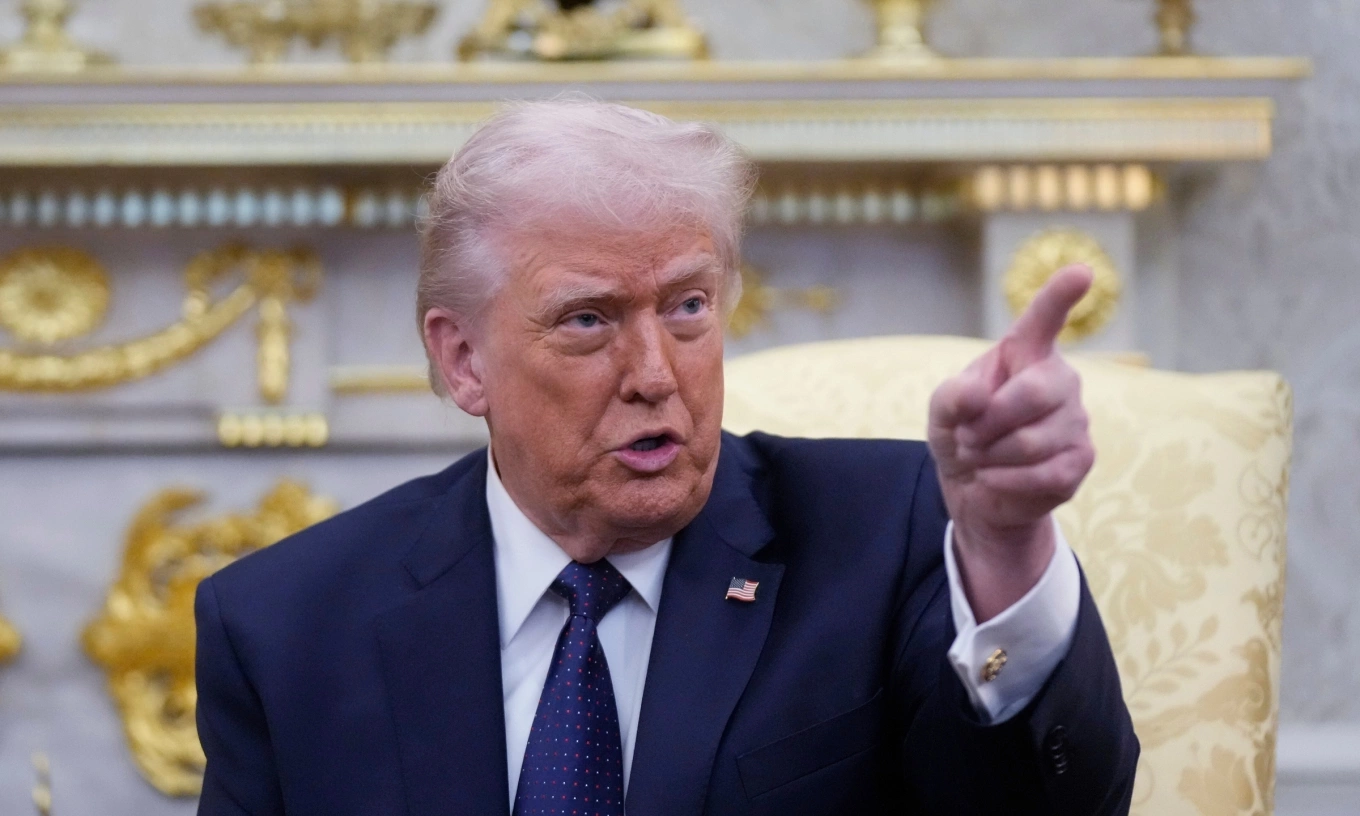
Across social media this week, a furious viral rant targeting supporters of Donald Trump erupted into one of the internet’s most explosive political debates,
spreading across platforms within hours and igniting arguments about loyalty, democracy, and responsibility.
The emotional video, first posted late at night, quickly gathered millions of views as the speaker accused voters of ignoring repeated warnings
about political consequences, framing the moment as a turning point in America’s increasingly bitter national conversation.
Within hours, hashtags connected to the clip surged across trending lists, with supporters praising
the message as brutally honest while critics slammed it as arrogant,
divisive, and yet another example of online outrage culture spiraling out of control.
The rant itself was intense, filled with frustration, disbelief, and sharp accusations that many voters had chosen political identity over facts,
a claim that instantly triggered thousands of angry replies and equally passionate defenses.
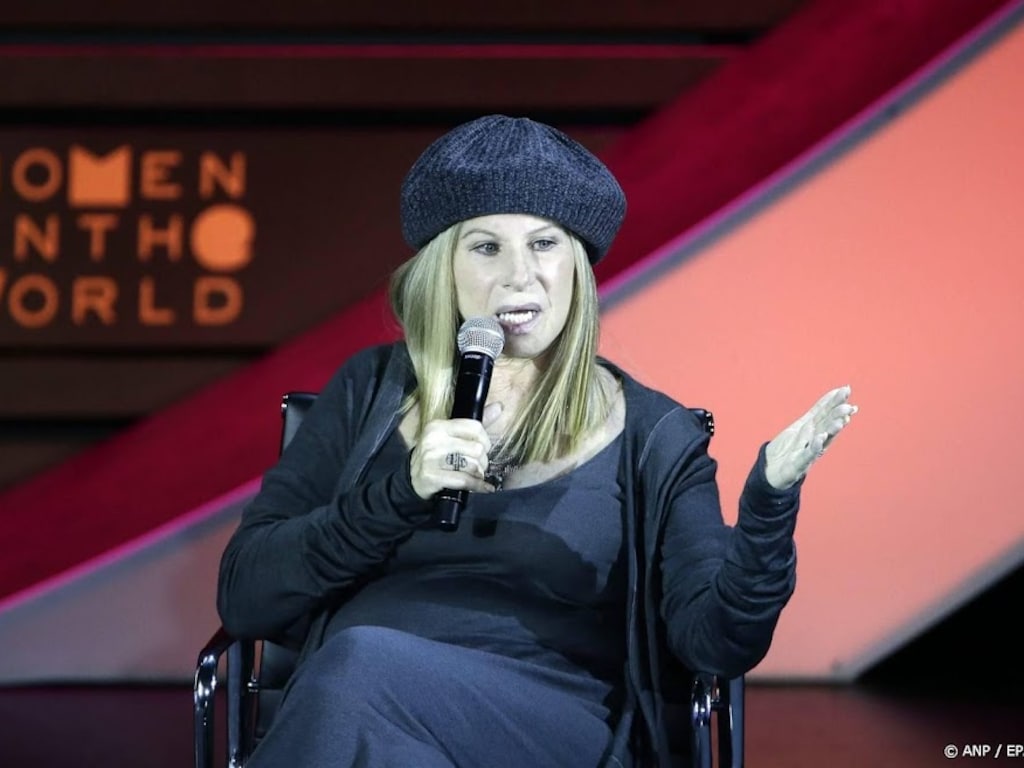
Some viewers described the speech as a “wake-up call” that forced uncomfortable conversations about accountability in modern politics,
while others argued it insulted millions of Americans and deepened the cultural divide already tearing through communities.
Comment sections quickly turned into digital battlegrounds where strangers argued about democracy, media influence,
misinformation, and whether voters should ever be blamed for the choices they make inside the ballot box.
Political analysts watching the chaos unfold noted that moments like this reveal how social media
has transformed political discourse, turning emotional outbursts into viral spectacles that can reshape narratives overnight.
The speaker insisted that the message was not about hatred but about frustration with what they described as
a dangerous pattern of ignoring warnings from journalists, historians, and former officials who had repeatedly raised alarms.
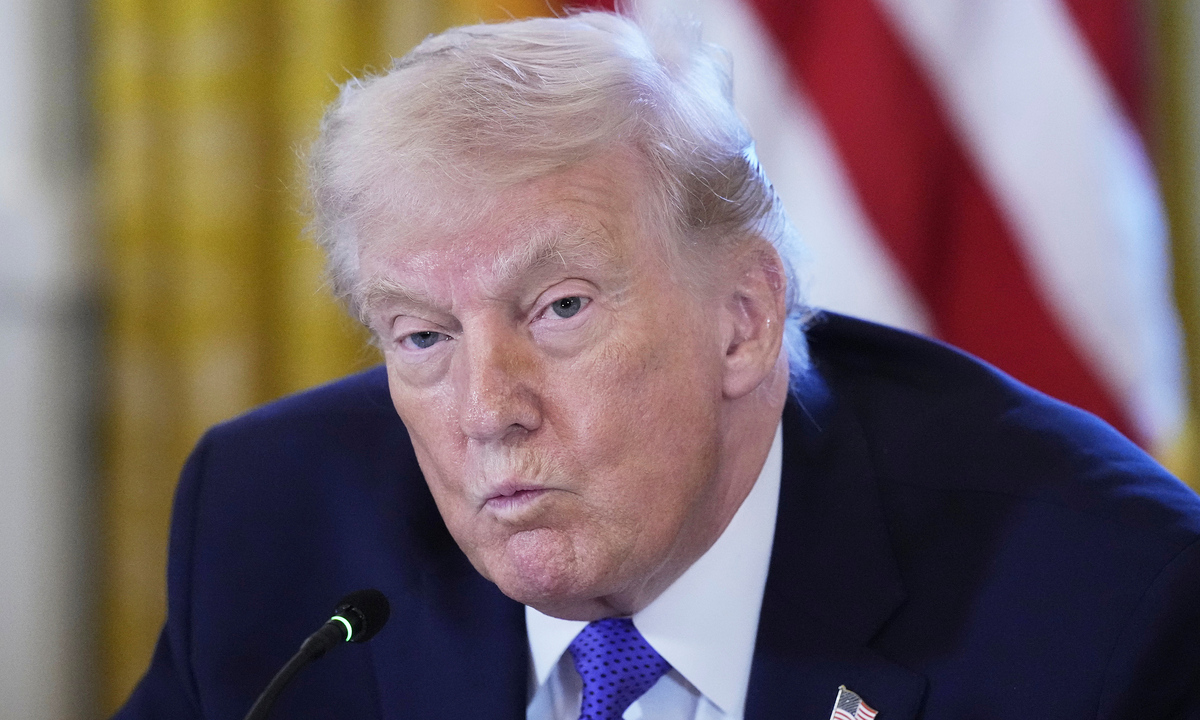
Yet critics fired back almost immediately, arguing that blaming ordinary voters only fuels
resentment and drives people deeper into their political camps instead of encouraging honest dialogue about the country’s future.
Clips from the rant were reposted thousands of times with dramatic captions, dramatic music, and bold graphics,
turning a single emotional speech into a viral political storm dominating feeds across multiple continents.
Some supporters claimed the viral message captured what millions of Americans quietly feel but rarely say publicly,
arguing that blunt truth sometimes sounds harsh precisely because it challenges comfortable political narratives.
Opponents countered that the speech represented exactly what is wrong with modern political activism online,
where complex national issues are reduced to angry sound bites designed more for engagement than meaningful solutions.
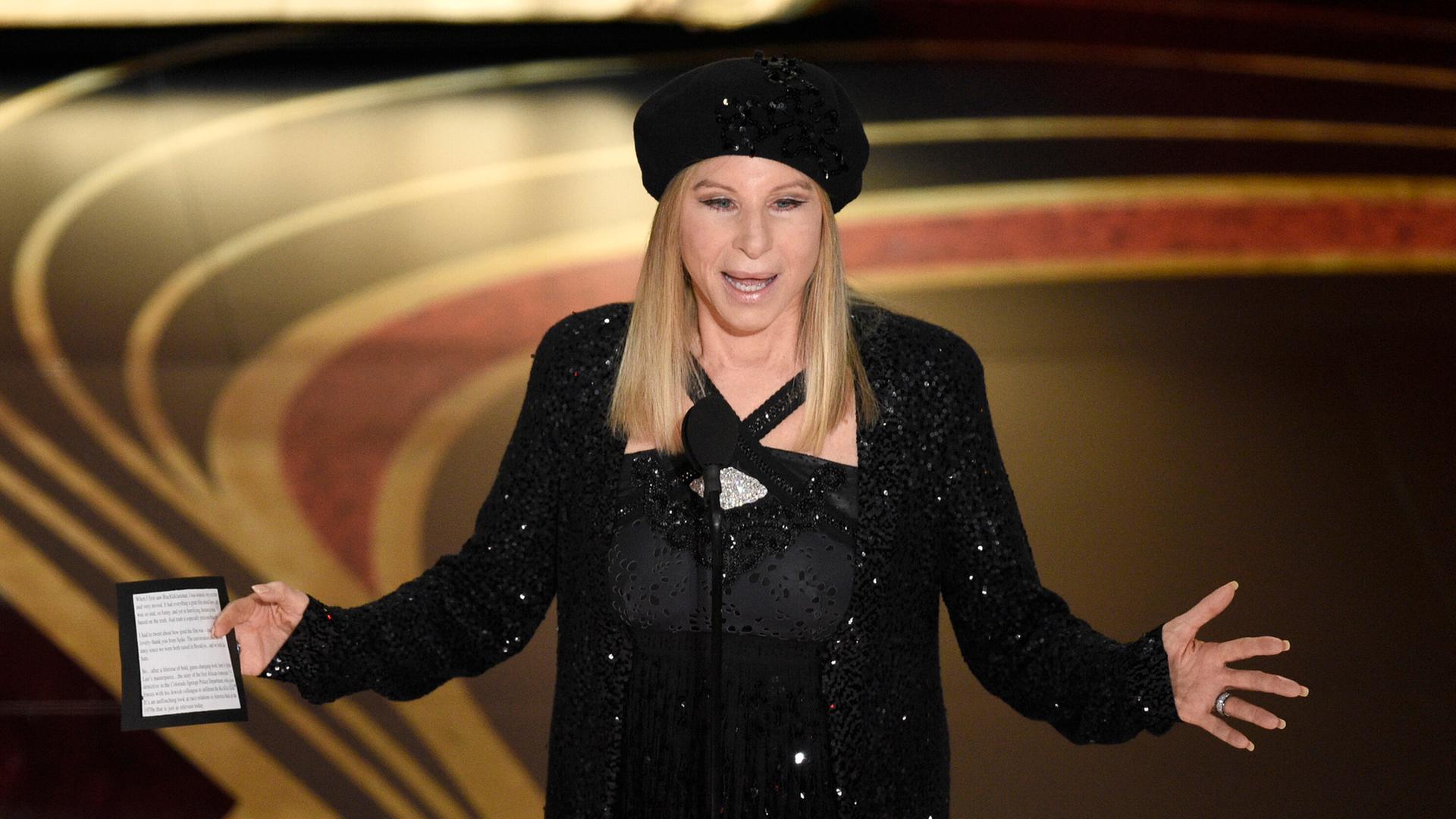
Meanwhile, prominent commentators joined the discussion, amplifying the argument by debating whether emotional viral moments actually influence public opinion or simply energize people who already hold strong political views.
One particularly heated thread questioned whether America’s global reputation has suffered because of years of political polarization, suggesting that viral confrontations like this reinforce perceptions of a country trapped in endless internal conflict.
Others rejected that idea completely, insisting that fierce political debate is proof of a functioning democracy rather than a sign of decline, even when those debates unfold in chaotic, sometimes uncomfortable digital spaces.
The controversy also sparked broader questions about responsibility in the age of algorithms, where emotionally charged content spreads faster than thoughtful analysis and outrage often becomes the most powerful fuel for visibility.
Supporters of the viral rant argued that strong language is sometimes necessary to shake people out of complacency, especially when they believe the stakes involve the future direction of a nation.
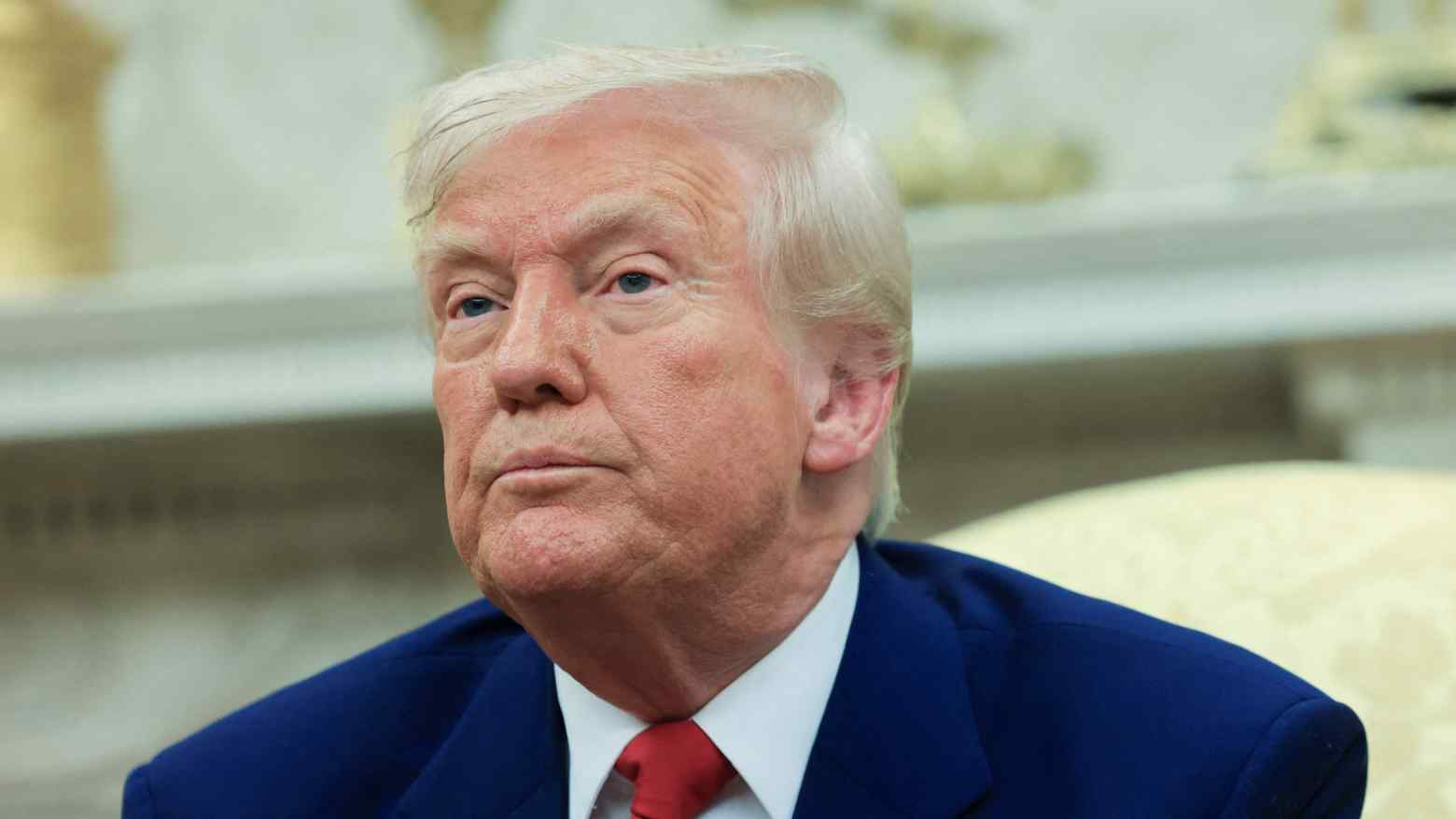
But critics warned that framing political disagreement as moral failure risks turning fellow citizens into enemies, a dynamic many fear has already pushed American political culture to dangerous levels of hostility.
Political strategists quietly observed the online firestorm with fascination, noting that viral moments like this often reveal deeper frustrations simmering beneath the surface of public discourse.
Some voters who supported Donald Trump responded by posting their own videos defending their choices, arguing that critics frequently misunderstand their motivations, values, and concerns about the country’s economic and cultural direction.
These response videos created a second wave of viral debate, with thousands of users watching competing narratives unfold in real time across a constantly refreshing stream of clips, reactions, and heated commentary.
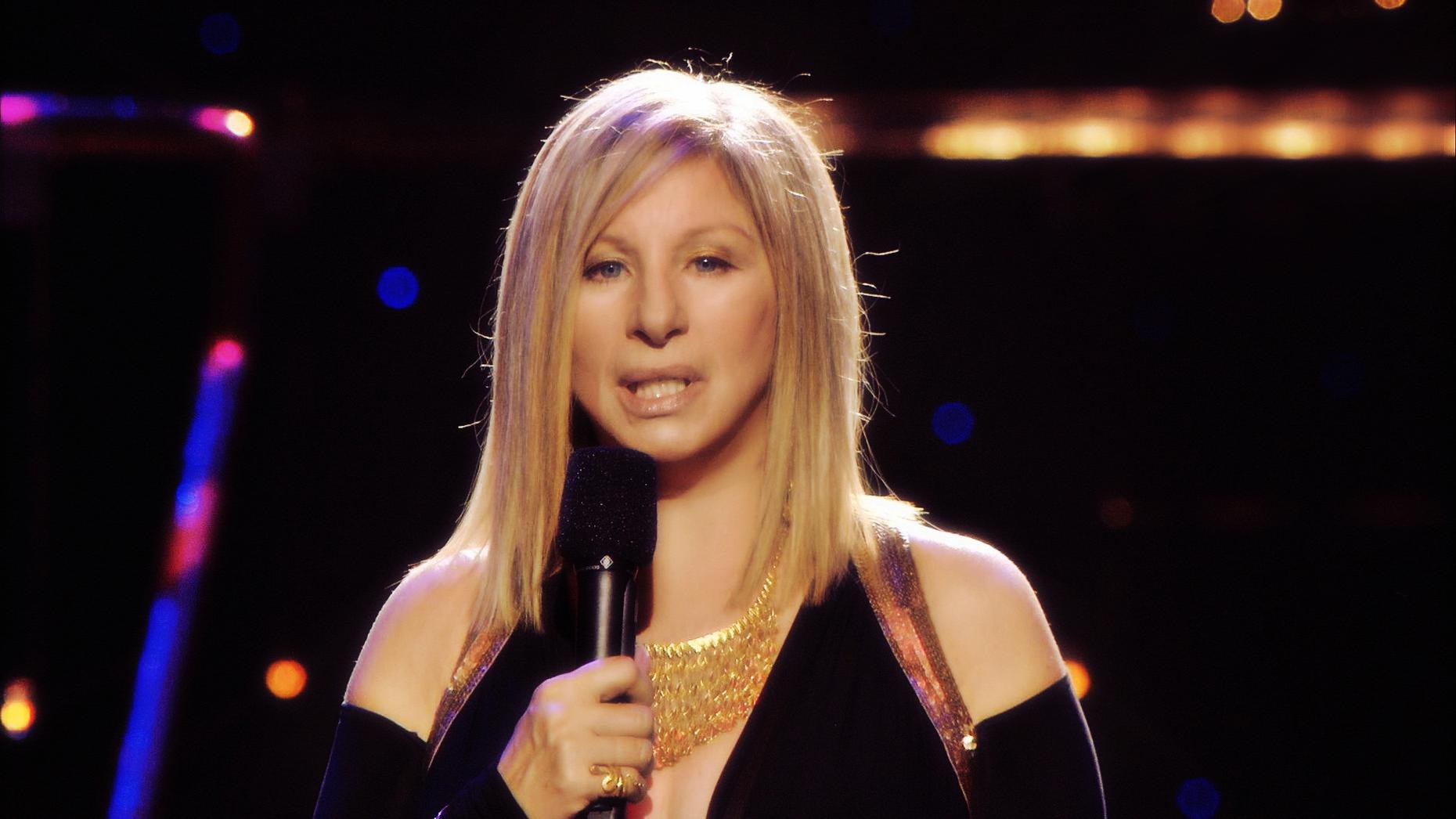
Experts say the speed of the reaction highlights how modern political storytelling works, where a single emotional speech can evolve into a global conversation involving journalists, influencers, politicians, and ordinary citizens.
At the center of the storm remains the same question that has haunted American politics for years: whether disagreement can still exist without turning into personal accusations and mutual distrust.
Some observers believe the viral rant may fade within days like countless other internet controversies, while others argue it reflects deeper anger that will continue shaping political conversations for years to come.
For now, the clip continues circulating widely, attracting millions of views and forcing viewers to confront the raw emotions driving today’s political debates across the United States.
Whether seen as courageous truth-telling or reckless provocation, the viral message has clearly struck a nerve, reminding the world that America’s political divide remains one of the most powerful and polarizing forces in modern public life.