When A Joke Becomes A National Conversation
For decades, American late-night comedy has served as more than entertainment.
It has been a mirror.
A place where comedians take the events of the day — politics, scandals, cultural conflicts, and public controversies — and transform them into moments of laughter, reflection, and sometimes uncomfortable conversations.
From newspaper cartoons of past generations to modern television monologues, satire has always occupied a unique position in American culture.
It entertains.
It challenges.
It questions those in power.
And perhaps most importantly, it reminds audiences that leaders, institutions, and public figures can be examined, criticized, and even mocked.
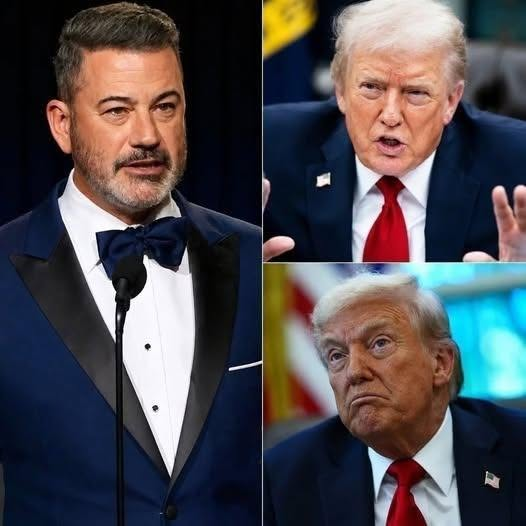
For comedians like Jimmy Kimmel, political humor has become one of the defining elements of their careers.
But in today’s deeply divided environment, comedy itself has become part of a larger debate.
When does satire protect democracy?
When does criticism become controversy?
And why do jokes about powerful people continue to create such intense reactions?
The Long Tradition Of Political Comedy In America
Political humor is not a new phenomenon.
Long before television existed, American newspapers featured cartoons criticizing presidents and political movements.
Writers and performers used humor as a way to challenge authority and express public frustrations.
The reason satire has remained powerful for centuries is simple:
Humor reaches people differently than traditional criticism.
A speech may explain a political disagreement.
A joke may make millions of people remember it.
A comedian can take a complicated issue and turn it into a moment that captures public emotion.
That ability makes political comedy influential — and sometimes controversial.
Throughout history, comedians have faced criticism from those who felt targeted.
But that tension is part of what makes satire meaningful.
A joke has power because it is allowed to question.
Jimmy Kimmel’s Style Of Comedy
Jimmy Kimmel has built much of his career around observational humor, celebrity interviews, and commentary on current events.
Like many late-night hosts, he often uses his opening monologues to discuss politics and public figures.
His approach combines traditional comedy with social commentary.
Supporters argue that this style reflects the role comedians have played for generations: holding powerful people accountable through humor.
They believe political satire provides a necessary outlet in a democratic society.
Critics, however, often argue that late-night comedy has become too political and less focused on entertainment.
This disagreement reflects a larger cultural divide about the relationship between comedy and politics.

Why Political Jokes Create Strong Reactions
A comedian criticizing an ordinary person rarely creates a national debate.
But criticizing a president or major political figure is different.
The president represents one of the most powerful positions in the world.
Because of that, comments about the office often become discussions about something larger:
Freedom of expression.
The limits of criticism.
The role of media.
The relationship between citizens and government.
For supporters of political satire, jokes directed at leaders demonstrate that no person in power should be beyond criticism.
They see humor as a form of democratic participation.
For critics, however, repeated political attacks from entertainers can feel less like comedy and more like activism.
The First Amendment And The Tradition Of Criticism
One of the central ideas behind debates about political comedy is the First Amendment.
The protection of speech and expression has allowed Americans to criticize government officials, challenge institutions, and express unpopular opinions.
This principle has existed since the country’s founding.
The ability to question authority is considered one of the foundations of democratic society.
Throughout American history, people have used newspapers, books, protests, art, music, and comedy to express disagreement.
Political satire exists within this tradition.
The comedian’s role is not necessarily to provide solutions.
Often, the role is to ask questions, highlight contradictions, and encourage audiences to think.
When Comedy Becomes A Form Of Resistance
For many comedians, humor is not only about making people laugh.
It is also about responding to moments of tension.
During difficult periods in history, comedy has often provided relief while also challenging powerful ideas.
Satire can expose hypocrisy.
It can reveal contradictions.
It can make complicated issues easier for audiences to discuss.
This does not mean every joke is automatically effective or fair.
Comedy, like any form of communication, can be debated.
But the ability to create those conversations is part of its cultural importance.
The Relationship Between Comedy And Journalism
Modern audiences often see late-night comedy as existing somewhere between entertainment and commentary.
Unlike traditional journalism, comedians are not expected to present information in the same way reporters do.
Their purpose is different.
They exaggerate.
They use irony.
They use humor to create a reaction.
However, because comedians increasingly discuss political events, many viewers now see them as part of the broader media conversation.
This creates both opportunity and responsibility.
A comedian can influence public opinion.
A joke can shape how audiences view an issue.
That is why political comedy receives so much attention.
Why Awards And Recognition Matter In Entertainment
When entertainers receive major recognition, the moment often becomes more than a celebration of their work.
It becomes a reflection of cultural values.
Awards can represent appreciation for creativity, influence, and impact.
For supporters of political comedy, recognizing comedians who challenge authority represents support for free expression.
For others, it raises questions about whether entertainment and politics have become too closely connected.
Regardless of perspective, these moments reveal how important comedy has become in modern public conversations.
The Changing Landscape Of Late-Night Television
Late-night television has changed dramatically over the years.
In earlier decades, hosts often avoided direct political confrontation.
Today, political commentary is one of the most visible parts of many late-night programs.
The rise of social media has accelerated this transformation.
A single joke from a television monologue can become a viral clip within minutes.
Audiences can immediately respond.
Supporters can share it.
Critics can challenge it.
The conversation continues far beyond the original broadcast.
Comedy is no longer limited to a television audience.
It exists in a constant online discussion.
The Bigger Question: What Is The Purpose Of Comedy?
At its heart, the debate surrounding political comedy comes down to one question:
What should comedy do?
Should it simply entertain?
Should it challenge society?
Should it criticize those in power?
Different people will answer differently.
Some believe comedy should provide an escape from serious issues.
Others believe comedy is most valuable when it confronts those issues directly.
The history of comedy suggests that both approaches have always existed.
Some comedians make people laugh through everyday observations.
Others use humor to challenge the world around them.
Both forms have a place.
Why Satire Continues To Survive
Political satire has survived because societies continue to need ways to process conflict.
Humor allows people to discuss difficult subjects.
It creates moments of connection.
It helps people handle uncertainty.
Even when audiences disagree with a comedian, the conversation itself demonstrates something important:
People are still engaging.
They are still debating.
They are still participating in public life.
Final Reflection: The Power Of A Joke
Whether someone views political comedy as necessary criticism or unwanted controversy, one fact remains clear:
Humor has always played a role in American culture.
A joke can be simple.
A joke can be provocative.
A joke can be uncomfortable.
But throughout history, jokes have also been a way for ordinary people to speak about extraordinary events.
The strongest democracies are not those where everyone agrees.
They are those where people have the freedom to express different opinions, challenge leaders, and debate ideas openly.
And that is why political comedy continues to matter.
Because sometimes a joke is not just a joke.
Sometimes it is a reminder that the ability to laugh, question, and speak freely is part of what keeps a society alive.